Back to news

Planning a successful conference in 2026 requires more than booking a venue and inviting speakers. Audiences now expect events to be engaging, flexible, sustainable, and digitally seamless. With evolving technology and changing attendee priorities, conference planning has become a strategic exercise in experience design.
The first step is to define a clear purpose. Every successful conference begins with a well-articulated goal: is the event designed to educate, inspire, generate leads, build community, or drive policy change? This objective should guide all decisions, from speaker selection to session formats and marketing strategy. In 2026, attendees are increasingly selective, so a strong value proposition—what they will gain by attending—must be communicated early and consistently.
Audience-centric planning is essential. Understanding who your attendees are, what challenges they face, and how they prefer to engage will shape the event’s structure. Data from previous events, surveys, and registration insights can help tailor content and formats. Many conferences now offer hybrid or modular attendance options, allowing participants to engage in person, online, or through on-demand content. Flexibility is no longer a bonus; it is an expectation.

Content quality remains the heart of any conference. Curating diverse, credible speakers and prioritizing practical, actionable sessions helps maintain engagement. Shorter sessions, interactive workshops, and panel discussions often resonate more than long lectures. Allowing space for networking, informal conversations, and reflection is equally important, as many attendees value peer connection as much as formal content.
Sustainability and accessibility are also key considerations in 2026. Environmentally responsible choices—such as digital materials, sustainable catering, and carbon-conscious travel options—are increasingly expected. Accessibility should be built in from the start, including inclusive venue design, captioning, flexible pricing, and consideration for different learning styles and needs. These efforts not only broaden participation but also strengthen an event’s reputation and impact.
Finally, a successful conference does not end when the last session closes. Post-event engagement is crucial. Sharing recordings, key insights, and follow-up resources helps extend the life of the event and reinforce its value. Collecting feedback and analyzing performance data allows planners to measure success against original goals and continuously improve future events.
In 2026, successful conferences are those that balance strategy, technology, and human connection. By focusing on purpose, audience needs, and thoughtful execution, planners can create events that are not only well-attended, but truly memorable and impactful.

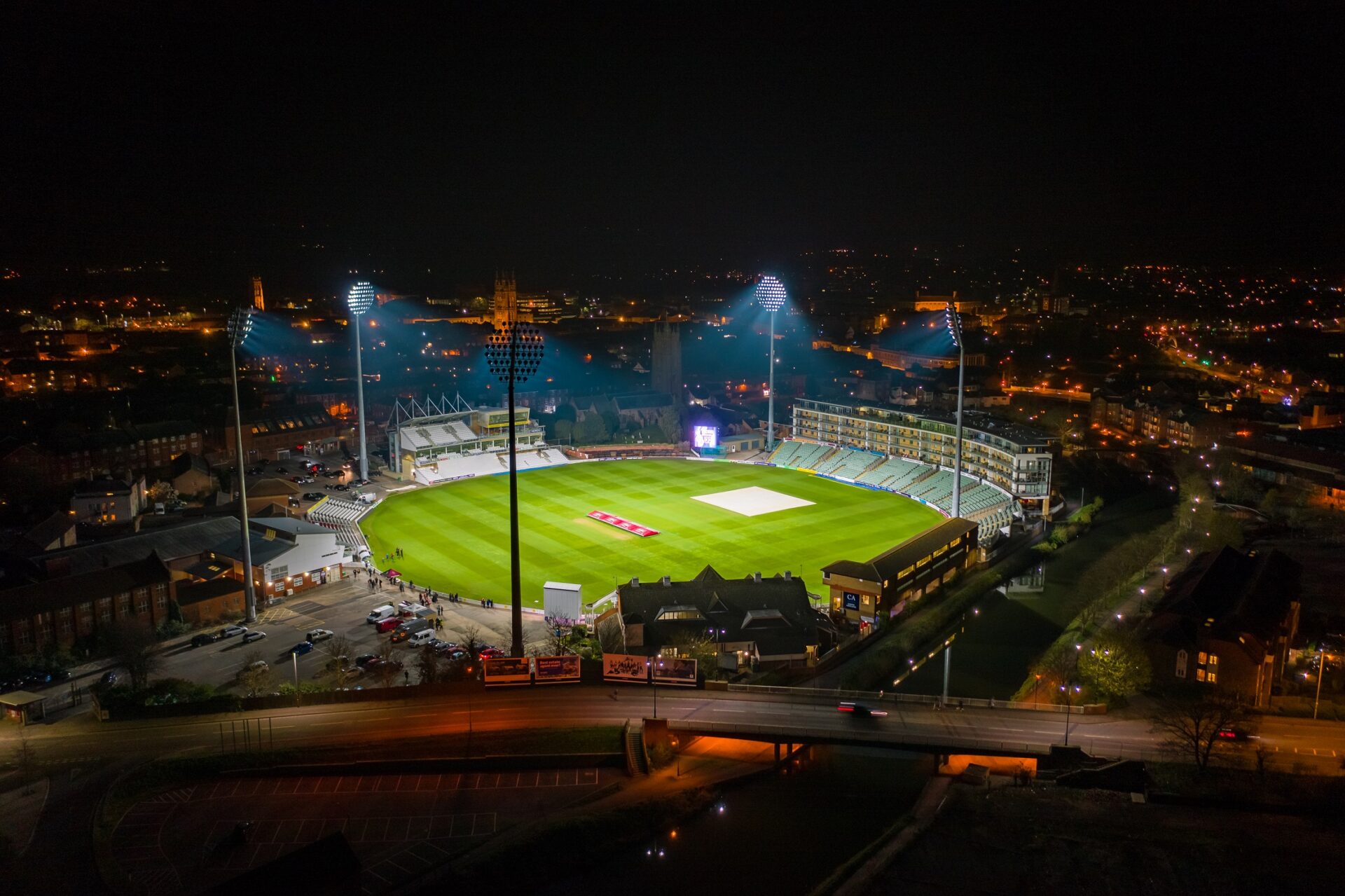
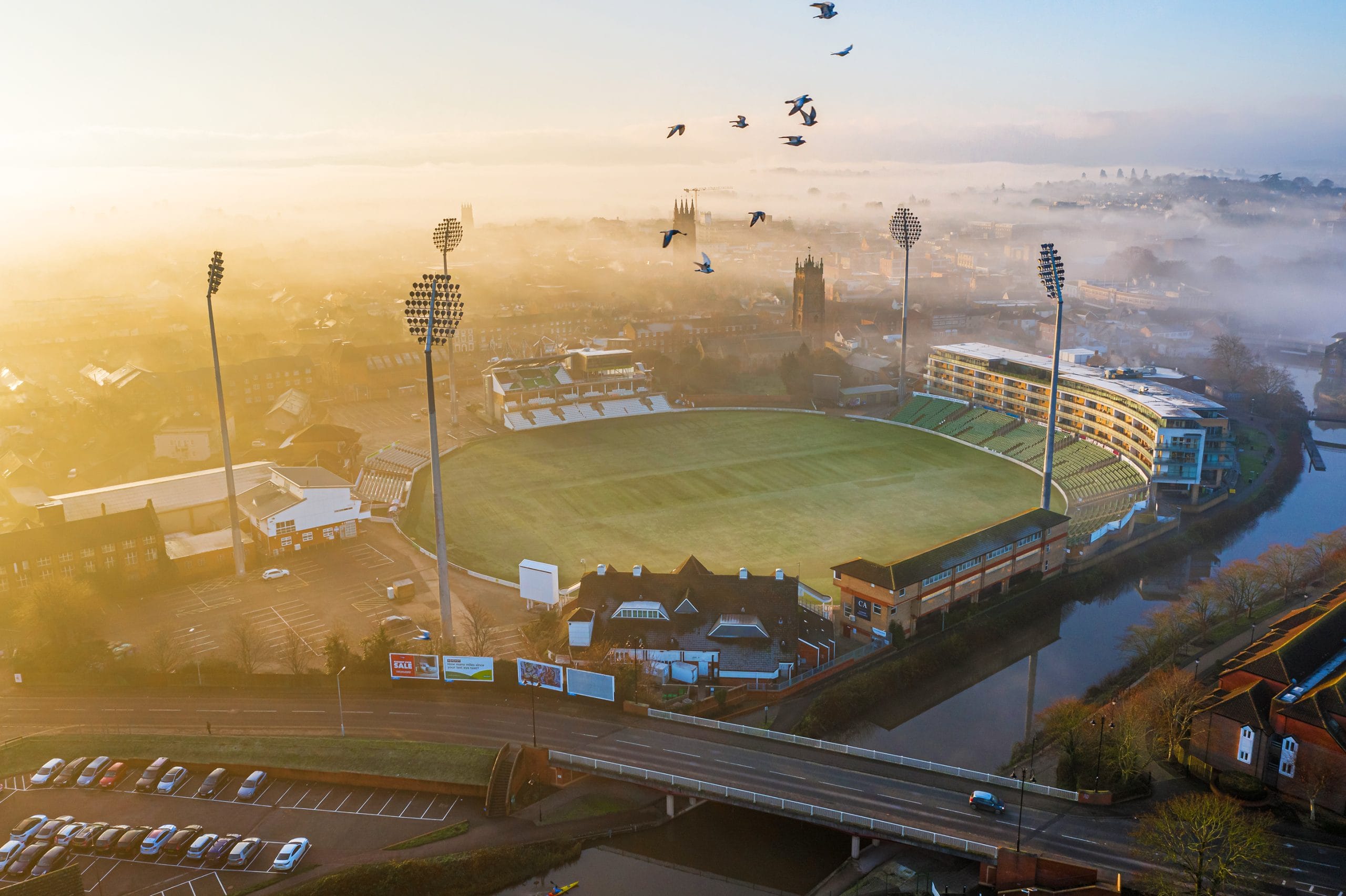
The CACG: A venue that delivers
Ideally located just minutes from Junction 25 of the M5 and within walking distance of Taunton Railway Station, CACG provides excellent accessibility for regional and national delegates. The venue offers ample onsite parking, secure high-speed Wi-Fi, modern furnishings and a choice of competitive delegate packages to suit a range of budgets.
From initial planning to flawless delivery, our experienced events team will work closely with you every step of the way.
A wide range of catering options, refreshments and competitive day-delegate packages are available, ensuring exceptional value without compromising on quality.
Every event at the Cooper Associates County Ground is carefully tailored to your objectives — and designed to exceed expectations.
Intimate or large-scale. Corporate or celebration. At the Cooper Associates County Ground, your event takes centre stage.
For more information, please download our Conference & Events brochure or email events@somersetcountycc.co.uk